Irish Uncial Embroidery Font - Small Review
As a professional embroidery designer specializing in commercial branding and small business merchandise, I approach every new typeface with a critical eye. When evaluating the Irish Uncial Embroidery Font - Small, my primary concern is not just aesthetic beauty, but functional performance on production garments. This specific machine embroidery design draws heavy inspiration from traditional Celtic manuscripts and medieval lettering. While historically significant, its application in modern commercial embroidery requires careful consideration of stitch density, fabric compatibility, and brand messaging. For shop owners and digitizers looking to expand their library of Embroidery Fonts, this review breaks down exactly how this typeface performs in real-world business scenarios.
Visual Personality and Brand Identity Impact
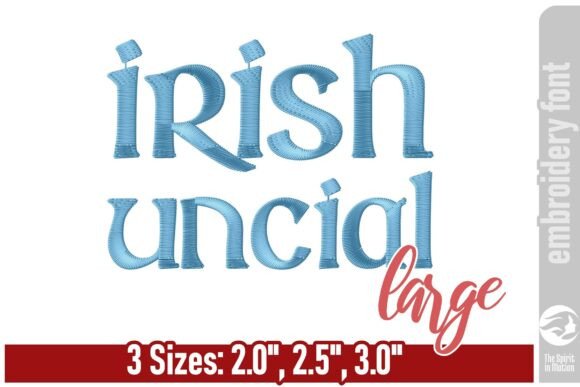
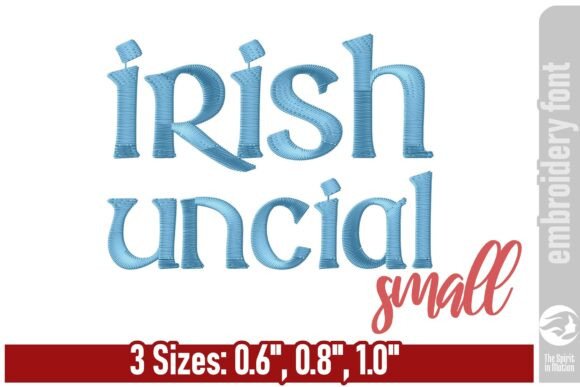
The first impression of the Irish Uncial Embroidery Font - Small is undeniably distinguished. The bold, rounded strokes communicate a sense of heritage, craftsmanship, and timelessness. For a small business, font choice is a direct extension of brand identity. This typeface does not read as corporate or sterile; instead, it signals authenticity and artisanal quality. It is exceptionally well-suited for businesses that rely on a narrative of tradition or handmade excellence.
I envision this font performing best for specific niches within the custom apparel market. A local bakery, an independent bookstore, a florist, or a craft brewery would benefit immensely from this aesthetic. It adds immediate visual weight and perceived value to a finished product. However, for a tech startup or a modern minimalist clothing line, this decorative style might clash with the intended brand voice. When selecting this digital embroidery file, you are choosing a personality that is rustic yet elegant, making it a powerful tool for Etsy sellers and boutique owners who want their merchandise to feel like a premium handmade product rather than mass-produced swag.
Performance on Merchandise and Uniforms
In my experience testing similar Celtic-inspired designs, the "Small" designation in the title is crucial. Standard Uncial fonts can be too large or ornate for functional workwear. This scaled-down version opens up versatile applications for small business merch. Here is how I evaluate its utility across different products:
- Apron Embroidery: This is perhaps the strongest use case. On canvas or denim aprons, the bold strokes of the Irish Uncial Embroidery Font - Small provide excellent coverage without becoming bulletproof. It reads clearly from a distance, making it ideal for café staff or barista uniforms where name recognition and brand visibility are paramount.
- Tote Bag Design: Natural fabrics like cotton twill or linen accept this stitch structure beautifully. The font’s rounded nature complements the organic texture of eco-friendly tote bags, creating a cohesive look for farmers' markets or retail packaging accents.
- Embroidered Patches: Because the strokes are bold, this font holds up well when converted into a merrowed edge patch. It remains legible even when reduced to 3-inch or 4-inch widths, which is often a failure point for thinner serif fonts.
- Cap Embroidery: This requires caution. While the font is small, the curvature of a cap front can distort rounded letters. I recommend using this only on structured caps with proper backing, and always testing the center alignment to ensure the medieval proportions do not look skewed on a curved surface.
Technical Considerations for Production
A beautiful screen font does not always translate to a stable embroidery file. When bringing the Irish Uncial Embroidery Font - Small into your production workflow, you must account for physical variables. The bold, rounded strokes imply a higher stitch count per letter compared to standard block lettering. This affects both run time and fabric stability.
Stitch Density and Fabric Texture: If you are embroidering on high-pile fabrics like fleece or terry cloth, the dense satin columns typical of Uncial styles may sink in. You will likely need to adjust your underlay or use a water-soluble topping to keep the lettering crisp. Conversely, on lightweight performance shirts, the density could cause puckering. Always match your stabilizer choice to the garment weight. A cutaway backing is generally safer for this font style on stretchy knits to prevent distortion during washing.
Hoop Size and Spacing: Even though this is a "Small" variant, verify the actual dimensions in your software before hooping. Medieval lettering often has unique kerning. Ensure there is adequate spacing between characters so the bold strokes do not merge at smaller sizes. If you are combining this font with other design assets, such as a Celtic knot logo, leave sufficient negative space to maintain legibility.
Strategic Application for Business Growth
Using the Irish Uncial Embroidery Font - Small is a strategic decision that influences customer trust and engagement. In the competitive landscape of handmade goods and local services, differentiation is key. When a customer receives a package with a branded tissue paper seal or buys a hat featuring this distinctive lettering, they are buying into a story. The font acts as a visual cue for quality.
For commercial embroidery shops, offering this font as a premium option can justify higher price points. It moves the conversation away from "cost per thousand stitches" toward "custom brand design." However, consistency is vital. Do not mix this highly stylized font with generic sans-serif body text on the same garment. Use it for headlines, names, or short slogans only. Pair it with a simple, clean font for secondary information like website URLs or establishment dates to ensure the overall design remains professional and readable.
Designer Notes for Pre-Production Testing
Before running a full production batch of custom apparel or event merch, follow this professional checklist to ensure success with the Irish Uncial Embroidery Font - Small:
- Verify Licensing: Confirm that your purchase includes commercial licensing rights. Using a personal-use-only digital embroidery file for client merchandise can lead to legal issues.
- Create a Printable Mockup: Before stitching, generate a realistic mockup to show clients. This manages expectations regarding the ornate nature of the font and ensures they understand how it differs from standard typing.
- Test in Black and White: Run a sample in black thread on white fabric first. This reveals any registration issues or gaps in the satin columns that colored threads might hide.
- Check Thread Color Contrast: Bold fonts demand contrast. Dark green thread on a navy shirt may look muddy. Ensure the thread colors pop against the base fabric to maintain the distinguished look described in the product details.
- Wash Test: Since this font is ideal for workwear and aprons, wash and dry the test swatch. Inspect the edges of the letters for fraying or lifting. Adjust pull compensation if necessary.
- Review File Specifications: As specific stitch counts and formats vary by vendor, always inspect the file properties in your machine software. Confirm the hoop size requirements match your equipment capabilities before starting the job.
The Irish Uncial Embroidery Font - Small is a valuable asset for decorators focusing on heritage brands, hospitality, and artisanal goods. By respecting its technical requirements and leveraging its unique visual character, you can elevate your small business merch from simple decoration to meaningful brand storytelling. Always prioritize testing and fabric compatibility to ensure the final embroidered patch or uniform meets the high standards your customers expect.