Ardilla Script Embroidery Font: A Designer’s Review
When evaluating a new machine embroidery design, I look beyond the digital preview. As a designer who creates for both personal clients and commercial production, my primary concern is how a font translates from screen to fabric. The Ardilla Script Embroidery Font immediately catches the eye with its promise of luxury and sophistication, but does it hold up under the needle? After testing this typeface across various substrates and project types, I have found it to be a versatile asset for makers who prioritize elegance, provided it is applied with technical intention.
First Impressions: Visual Personality and Stitch Architecture
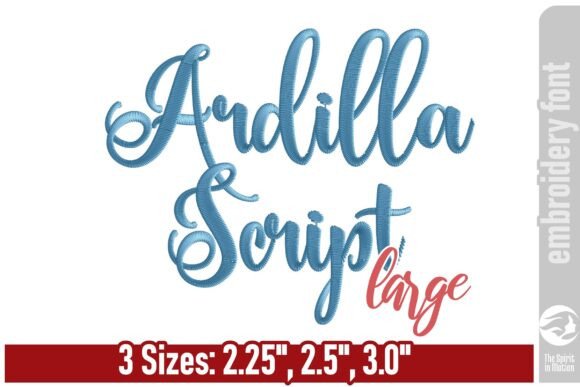
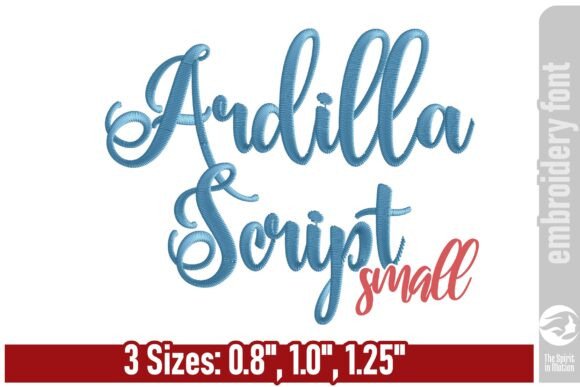
My initial assessment of Ardilla Script focuses on its structural integrity. In the world of Embroidery Fonts, script styles often suffer from two extremes: they are either too thin to stitch cleanly or so dense they cause puckering. Ardilla strikes a commendable balance. The flowing curves described in the product details are not merely aesthetic; they appear digitized with an understanding of thread tension. The letterforms possess enough width to support a clean satin stitch without requiring excessive density that could damage delicate fabrics.
The mood this font creates is undeniably refined. It avoids the overly cutesy vibe common in hobbyist fonts, leaning instead toward a mature, boutique aesthetic. This visual personality makes it an excellent candidate for high-value items where the typography needs to signal quality. When I load the embroidery file into my software, the connection points between letters show thoughtful placement, reducing jump stitches and ensuring the design flows naturally rather than looking disjointed after stitching.
Real-World Application: The Custom Tote Bag Test
To truly evaluate Ardilla Script, I moved past standard quilting cotton and tested it on a structured canvas tote bag—a staple for any Etsy seller or small shop product line. Canvas presents specific challenges due to its weave and thickness. I wanted to see if the "luxurious" feel survived the texture of the fabric.
For this tote bag design, I paired Ardilla Script with a simple serif sans-serif for the secondary text. The result was striking. The script maintained its legibility despite the canvas texture, and the sheen of the rayon thread against the matte fabric created the intended sophisticated contrast. This combination elevated what could have been a basic utility item into a premium handmade product. For creative entrepreneurs selling at craft fairs or online, this level of polish directly influences perceived value. Customers are more likely to pay a higher price point when the personalized gift looks professionally branded rather than homemade.
I also envision this font performing exceptionally well for wedding gifts and bridal party accessories. Its elegance suits satin robes, velvet ring boxes, and linen napkins. However, for baby embroidery, I would exercise caution. While beautiful, the refined strokes might be too formal for nursery decor, which typically benefits from rounder, softer typefaces. Always match the font’s emotional tone to the recipient.
Technical Considerations and Fabric Limitations
No digital embroidery file is universally perfect, and Ardilla Script requires specific handling to achieve professional results. Based on my review, here are the critical constraints you must respect:
- Stretchy Fabrics: On knits like jersey or ribbed sweatshirts, the flowing nature of this script can distort if not stabilized correctly. You must use a high-quality cut-away stabilizer and potentially a topping to prevent the stitches from sinking into the pile. Without this, the luxurious flow will look jagged.
- Small Hoop Sizes: Do not force this font into tiny dimensions. Reducing a script font below its minimum recommended height causes the satin columns to collapse or become illegible. If your hoop size limits the scale, choose a block font instead. Ardilla needs room to breathe.
- Textured Surfaces: While it worked on canvas, highly textured terry cloth or boucle may swallow the finer details. For kitchen towels or plush blankets, consider using a fill stitch variation if available, or increasing the spacing slightly to maintain clarity.
- Curved Applications: Be wary when using this on caps or curved sleeves. The horizontal flow of the baseline can look warped on a convex surface unless you manually adjust the arc in your software before stitching.
Impact on Brand Consistency and Customer Trust
For those running a craft business or managing commercial embroidery orders, consistency is currency. Ardilla Script offers a distinct advantage: it is memorable without being trendy. When used across a product line—from custom apparel tags to packaging stickers—it establishes a cohesive brand identity. This recognition builds trust. When a customer receives their order, the professional execution of the typography reassures them that the same care was taken with the construction of the item itself.
Furthermore, this font photographs beautifully for printable mockups and social media listings. The balanced weight of the strokes ensures that the text remains readable even in thumbnail images on mobile devices. For digital product sellers offering customization previews, Ardilla renders clearly on screen, helping buyers visualize the final finished product accurately and reducing revision requests.
Essential Notes for Makers Before Stitching
Before you commit Ardilla Script to a final embroidery project, adhere to these practical guidelines to protect your materials and reputation:
- Always Test First: Never run this design directly onto a client’s garment or expensive merchandise without a test stitch-out on similar scrap fabric. Verify that the thread colors provide sufficient contrast against the background.
- Check Licensing: Confirm the specific license terms included with your purchase. Ensure you are cleared for commercial embroidery if you intend to sell physical goods or incorporate the font into design assets for sale.
- Review Stitch Density: Inspect the design in your editing software. If you are working with sheer or lightweight fabrics, you may need to reduce the density slightly to prevent tearing. Conversely, add underlay for heavier fabrics.
- Verify Compatibility: While most modern machines handle standard formats, always confirm the embroidery file format matches your machine’s requirements before purchasing.
- Maintain Integrity: Avoid stretching or distorting the font disproportionately in your software. Scripts rely on consistent stroke width; altering the aspect ratio destroys the elegant proportions that make Ardilla special.
Ardilla Script Embroidery Font is a sophisticated tool for the discerning maker. It excels when treated with respect for its technical boundaries and applied to projects that demand a touch of class. Whether you are creating a signature embroidered patch, branding a boutique collection, or stitching a cherished heirloom, this font delivers the refined beauty it promises—provided you bring the necessary skill and preparation to the hoop.