Blenda Script Font Medium: A Designer’s Review
When evaluating a new machine embroidery design for professional use, I look beyond the digital preview. As a designer who creates everything from boutique apparel to personalized gifts, I need to know how a font behaves under the needle. Blenda Script Font Medium immediately caught my attention because it promises a balance that is notoriously difficult to achieve in digitizing: the elegance of a script with the structural integrity required for daily wear. After testing this embroidery file across various substrates, here is my honest assessment of its performance, versatility, and value for makers and business owners.
First Impressions: Grace Meets Structural Integrity
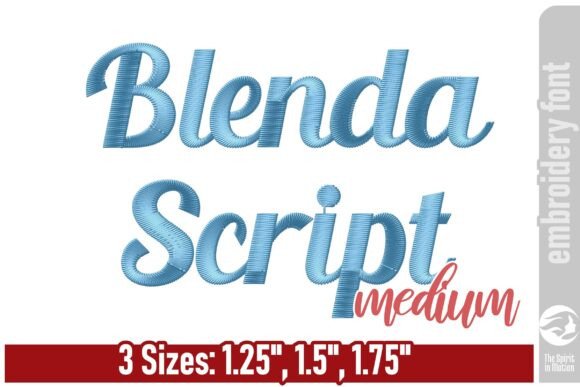
The defining characteristic of Blenda Script Font Medium is its robust satin stitch construction. Many script fonts suffer from being too spindly, leading to thread breaks or designs that disappear into the fabric weave. Blenda avoids this pitfall entirely. The letterforms possess a confident weight that radiates an air of grace and fortitude. Visually, it feels vintage yet modern, making it suitable for both nostalgic projects and contemporary branding.
From a digitizing standpoint, the flow is exceptional. The transitions between letters are smooth, minimizing unnecessary jumps and trims. This is crucial for production efficiency. When you are running a batch of custom orders, every second counts. The sleek satin stitches provide excellent coverage without looking bulky, creating a tactile quality that elevates the perceived value of the finished product. It does not look like a generic computer font converted to stitches; it looks like intentional textile art.
Real-World Application: The Custom Tote Bag Test
To truly judge this font, I moved past standard quilting cotton and tested it on a heavy canvas tote bag—a staple item for many Etsy sellers and small shop owners. Canvas is unforgiving; it has a pronounced texture that can swallow fine details. I chose Blenda Script Font Medium specifically for this challenge because of its medium weight.
The result was impressive. The satin stitches sat beautifully on top of the canvas weave without sinking. Because the font has inherent substance, the name stitched out with crisp clarity even against the textured background. For a handmade product intended for commercial sale, this legibility is non-negotiable. Customers need to read the personalization instantly in product photos. During this test, I also noted how well the font paired with simple floral accents. Its bold nature allows it to anchor a design without competing with decorative elements, making it ideal for complex tote bag designs or apron personalization.
Versatility Across Apparel and Home Goods
While it excels on heavier fabrics, Blenda Script Font Medium shows remarkable range. Here is how it performs across different categories relevant to creative entrepreneurs:
- Sweatshirt Embroidery: On fleece and French terry, the font’s density prevents the stitches from getting lost in the nap. It creates a cozy, high-end aesthetic perfect for holiday embroidery or collegiate-style merchandise.
- Baby Embroidery: Despite its robustness, the rounded terminals keep it soft enough for nursery decor and baby blankets. It reads as sweet rather than aggressive, which is vital for infant items.
- Kitchen Linens: Tea towels and pillow covers benefit from the font’s vintage vibe. It withstands the visual noise of linen textures while maintaining a clean, professional silhouette.
- Commercial Branding: For makers selling digital assets or offering custom services, this font projects reliability. It signals to buyers that you understand quality digitizing, enhancing trust in your brand consistency.
Critical Considerations: Where to Exercise Caution
No embroidery font is universal, and Blenda Script Font Medium requires thoughtful application. While the medium weight is its strength, it also dictates specific limitations. You must be realistic about sizing. Attempting to shrink this font below its recommended minimum height will cause the satin stitches to overlap excessively, resulting in thread buildup, needle breaks, or a stiff, bulletproof patch of stitching. Always check the minimum size specifications in your embroidery software before committing to tiny text.
Fabric choice also demands attention. On extremely thin or sheer fabrics like chiffon or lightweight silk, the robust satin stitches may overwhelm the material, causing puckering or distortion even with proper stabilizer. Similarly, on highly stretchy performance knits, the density of the font requires aggressive stabilization to prevent tunneling. If you are working on curved surfaces like caps, test the arching capabilities first; thick scripts can sometimes distort at extreme angles unless the digitizer has specifically compensated for cap curvature.
Dark fabrics present another variable. While the stitch definition is excellent, ensure your thread color contrast is sufficient. A navy blue stitch on black fabric might render the intricate satin sheen invisible in low-light photography, diminishing the impact of your printable mockup or listing image.
Elevating Product Value and Customer Perception
In the saturated market of handmade goods, typography often separates amateur work from professional output. Blenda Script Font Medium contributes directly to buyer engagement by offering superior readability and aesthetic polish. When a customer receives a personalized gift where the text is sharp, evenly covered, and stylistically cohesive, their trust in your craftsmanship increases.
For those selling finished products, this font supports higher price points. It avoids the "default software font" look that savvy buyers recognize instantly. Instead, it offers a bespoke quality that aligns with boutique branding. Whether you are creating wedding gifts, corporate merchandise, or craft fair inventory, the visual appeal of this script enhances the overall presentation. It photographs well, retaining its character even when scaled down for social media thumbnails or Etsy listing previews.
Practical Designer Notes for Success
Before adding Blenda Script Font Medium to your next production run, adhere to these professional best practices to ensure optimal results:
- Always Test Stitch: Never assume a digital file will perform identically on every machine. Run a test on scrap fabric that matches your final project’s weight and texture. Inspect the registration and edge definition.
- Verify Stabilizer Pairing: The robust satin stitches require adequate support. Use a cut-away stabilizer for stretchy garments and a heavy tear-away or wash-away for stable woven fabrics. Do not skimp on backing.
- Check Licensing Terms: Before using this font for commercial embroidery or selling digital embroidery files derived from it, confirm the specific license included with your purchase. Protect your business by ensuring compliance.
- Mockup Realistically: When creating digital previews, use textures that mimic real stitching. Flat vector mockups can mislead customers about the font’s actual thickness and sheen. Accurate representation reduces returns and inquiries.
- Mind the Density: If layering this font over an applique design or fill stitch background, reduce the background density slightly to accommodate the additional thread count. This prevents the final embroidered patch from becoming too rigid.
- Thread Color Strategy: Variegated threads can sometimes obscure the clean lines of a script font due to color changes occurring mid-letter. For Blenda Script, solid colors or subtle tone-on-tone variegates typically yield the most professional finish.
Blenda Script Font Medium is more than just a pretty typeface; it is a functional tool for serious embroiderers. Its combination of style and stitch engineering makes it a reliable asset for anyone looking to produce durable, beautiful, and marketable embroidered goods. By respecting its physical properties and applying it to appropriate projects, you can leverage this design to create work that stands out in both quality and character.